

Where it is used
Water treatment
Three points in the process where a continuous reading changes an operating decision: activated carbon, coagulant dosing, and sudden changes in raw water.
Environmental monitoring
Detecting contamination in freshwater sources, and responding swiftly to protect ecosystems and public health.
Water treatment
Granular Activated Carbon (GAC) Management
Our sensors monitor GAC saturation and PFAS removal efficiency in real-time, thus lowering operational costs by replacing manual sampling with automated monitoring.
Coagulant Dosing Optimization
By predicting and optimizing coagulant dosing, our sensors help improve treatment efficiency and reduce chemical waste, while ensuring consistent water quality.
Early Warning Systems
Our real-time data enables water treatment plants to identify sudden changes in water quality, mitigating risks and preventing operational disruptions.
Schematic. Illustrative of sampling cadence, not of any measured response time.
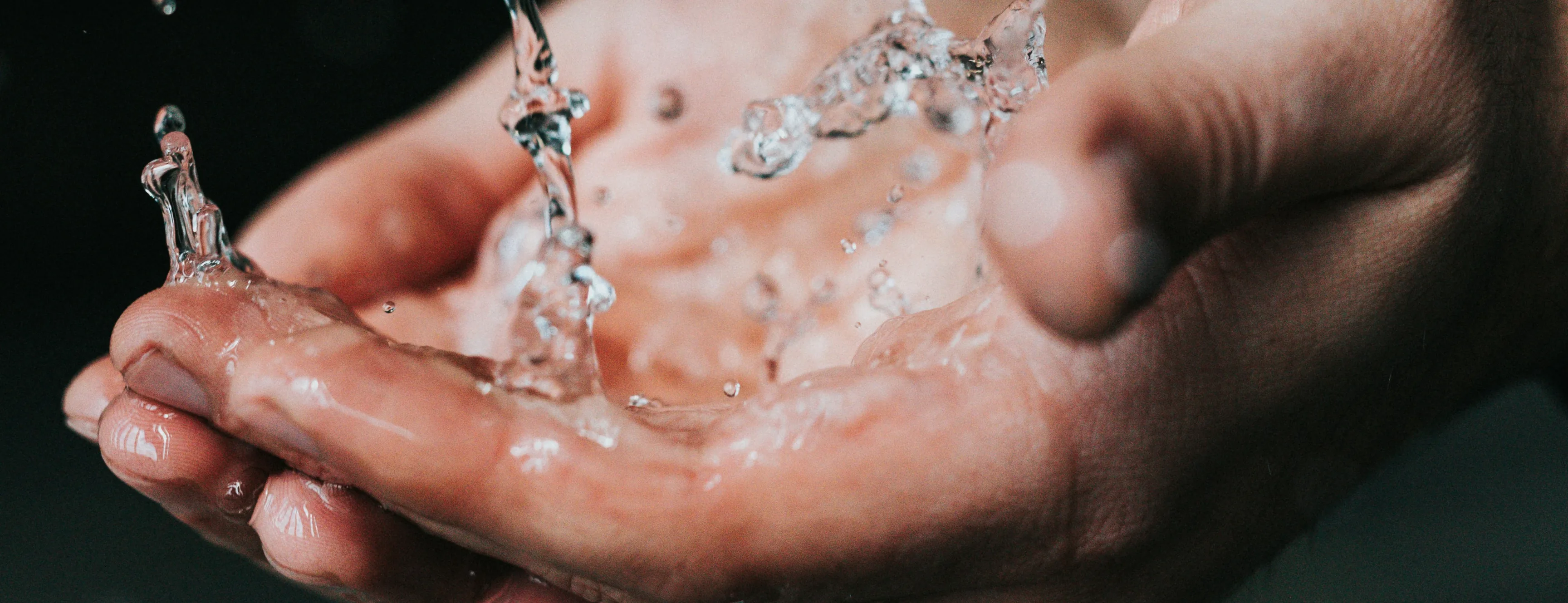
Environmental monitoring
Proactive Quality Monitoring
The same early warning capabilities extend to environmental agencies, enabling them to detect contamination in freshwater sources and respond swiftly to protect ecosystems and public health.
Contamination in a freshwater source is invisible until something measures it. That is not a hypothetical problem.
Read what happened in Kallinge →How the measurement works
Every application here rests on the same patented optical measurement: light through the water, continuously, with no sample taken — reading the water's full optical response rather than a single value.
Read the technology →Which of these is your problem?
Tell us what you are trying to see, and where. We will tell you plainly whether we can measure it.